
My column today in the Pittsburgh Post-Gazette.
Special to the Post-Gazette
Dec 29, 2025
4:30 AM
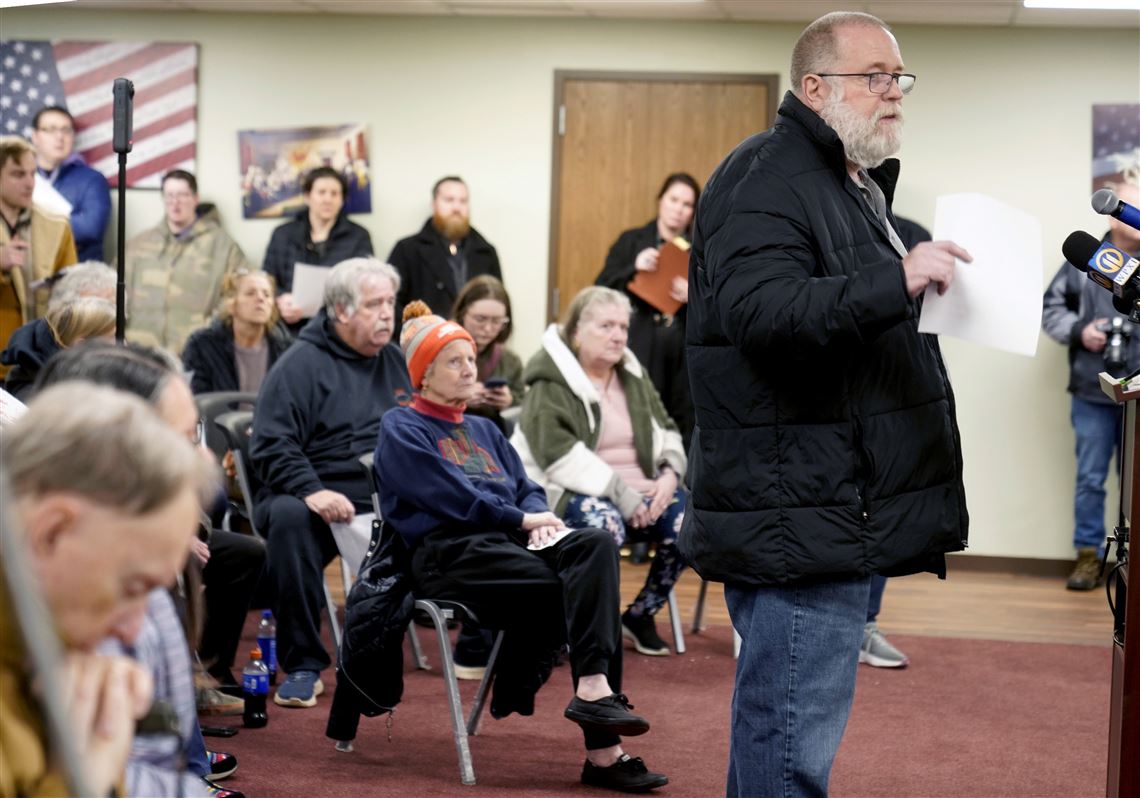
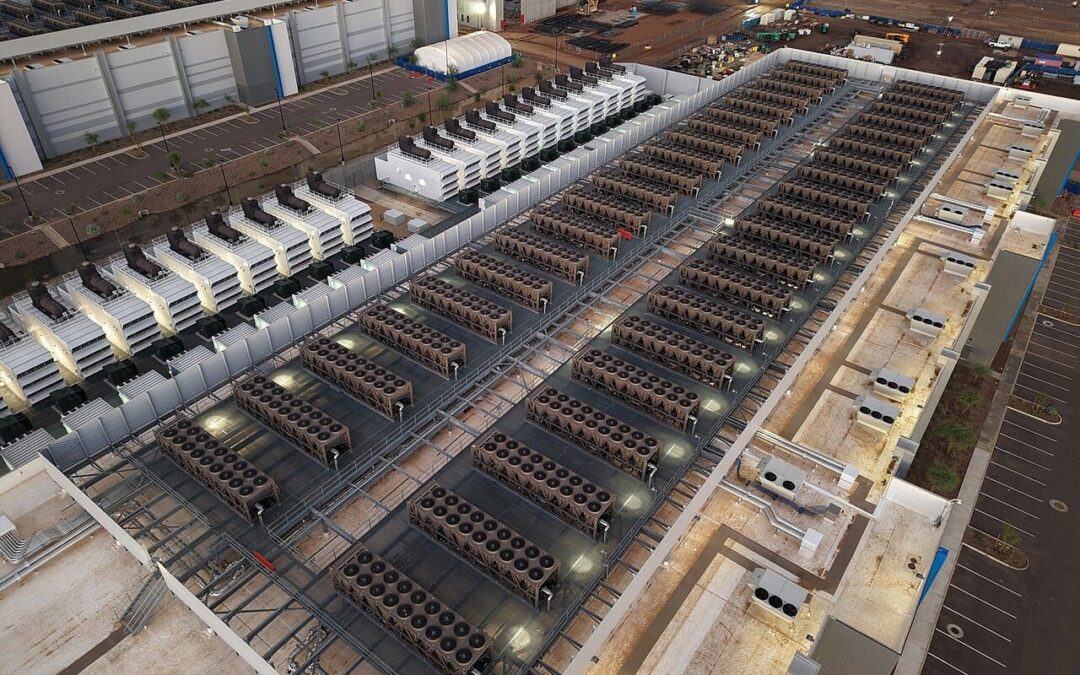
On Dec.16, the Springdale Borough Council reluctantly approved the construction of a new AI data center in the borough. The agonizing process that led to this result tells us everything we need to know about why it is hard for America to build big things.
The solution to our inertia is to federalize infrastructure development by moving the approval process to the national level.
The Springdale approval of the conditional-use application for the site came after months of meetings and debates. It also came with 19 conditions for the project, including noise restrictions and the requirement of a community benefits agreement with the borough. The developer must now obtain permits from Allegheny County to begin the design process. By spring, the developer hopes to be back before Springdale Council for approval of a more detailed design.
Is this any way to beat China?
Free-riding neighbors
In America, infrastructure development — think high-speed trains and energy pipelines — is largely subject to state and local zoning and permitting regulatory control. This gives the neighbors surrounding these projects a large say, and a potential veto, over whether such projects go forward.
Determined local opposition can either lead to rejection of an infrastructure project or delay it so long that the project becomes economically unfeasible. Local opposition to double-stack trains on the North Side, for example, has delayed their introduction for years.
The problem with local control of infrastructure is twofold. First, there is what economists call the free-rider problem. The benefits from a large scale infrastructure project are diffuse. We all benefit from AI, lower energy costs and efficient rail service. But the burdens of such projects — noise, pollution, congestion — fall mainly on the neighbors who live nearby.
If the neighbors can force the projects to go elsewhere, they will still get the benefits but without having to suffer the harms. Unfortunately, this is true for everyone, everywhere. So, it is usually in the interest of the local community to oppose an infrastructure project.
Economists have always known about this free rider problem. But, as I learned in school many years ago, economists assumed that profitable projects would be able to overcome local opposition by essentially bribing the neighbors to accept the project. In this way, profitable projects would move forward while marginal projects would not, which would lead to efficient use of resources.
This still does happen. The community benefits agreement promised by the developer in Springdale is one such example. But this theory does not work when local opposition is well-organized and determined. The advent of social media has aided the organization of such local opposition. So, instead of bribing the neighbors, infrastructure project developers now tend to go where the neighbors lack political influence.
Targeting weakness
That is the second problem with giving a veto to the neighbors: It only works when local opposition can be organized and its voice is strong enough to outweigh the economic benefits that infrastructure projects can bring. That means that infrastructure projects today go predominantly where the existing community lacks the resources to fight.
That is what happened in Springdale. The borough was opposed to the data center. But if it had been rejected, the municipality faced the prospect of a lawsuit by the developer that it could not afford to litigate. A community with more resources, like the City of Pittsburgh, would have the legal resources to litigate such a case and might do so even if the prospects of ultimate success were small.
The delay and expense of the litigation might convince the developer to give up. Springdale could not afford that strategy.
Even deciding these matters at the state level is too local. States can also be free riders. Florida, for example, has banned offshore drilling for energy, but its residents still prefer large, gas-guzzling cars. Florida lets some other state bear the burden of offshore drilling.
Federal control
If we want America to be able to build big things again, we need to remove these incentives to local opposition by nationalizing approval of at least the larger infrastructure decisions. This is especially true of projects like rail lines and pipelines that span many jurisdictions.
Under the Constitution, Congress has the power to regulate interstate commerce, including approval of infrastructure projects. That means Congress could delegate authority to approve such projects to a newly-created federal department and remove the process from local control.
Of course, particular infrastructure projects may be bad for a variety of reasons: environmental, financial and even just the need to conserve resources. The Biden administration favored large-scale green energy projects. The Trump administration has tried to kill such projects in favor of fossil fuel development. Many people, myself included, oppose this change.
But the answer to deciding which infrastructure projects are worthwhile, and which are not, is to make good decisions based on the merits of each case. It is a bad idea to let the neighbors decide.
Bruce Ledewitz is professor of law emeritus at the Thomas R. Kline School of Law of Duquesne University and a contributing writer for the Post-Gazette. He writes every other Monday. The views expressed do not represent those of Duquesne University. His previous article was “Donald Trump should not have been charged with a crime.”
First Published: December 29, 2025, 4:30 a.m.



0 Comments