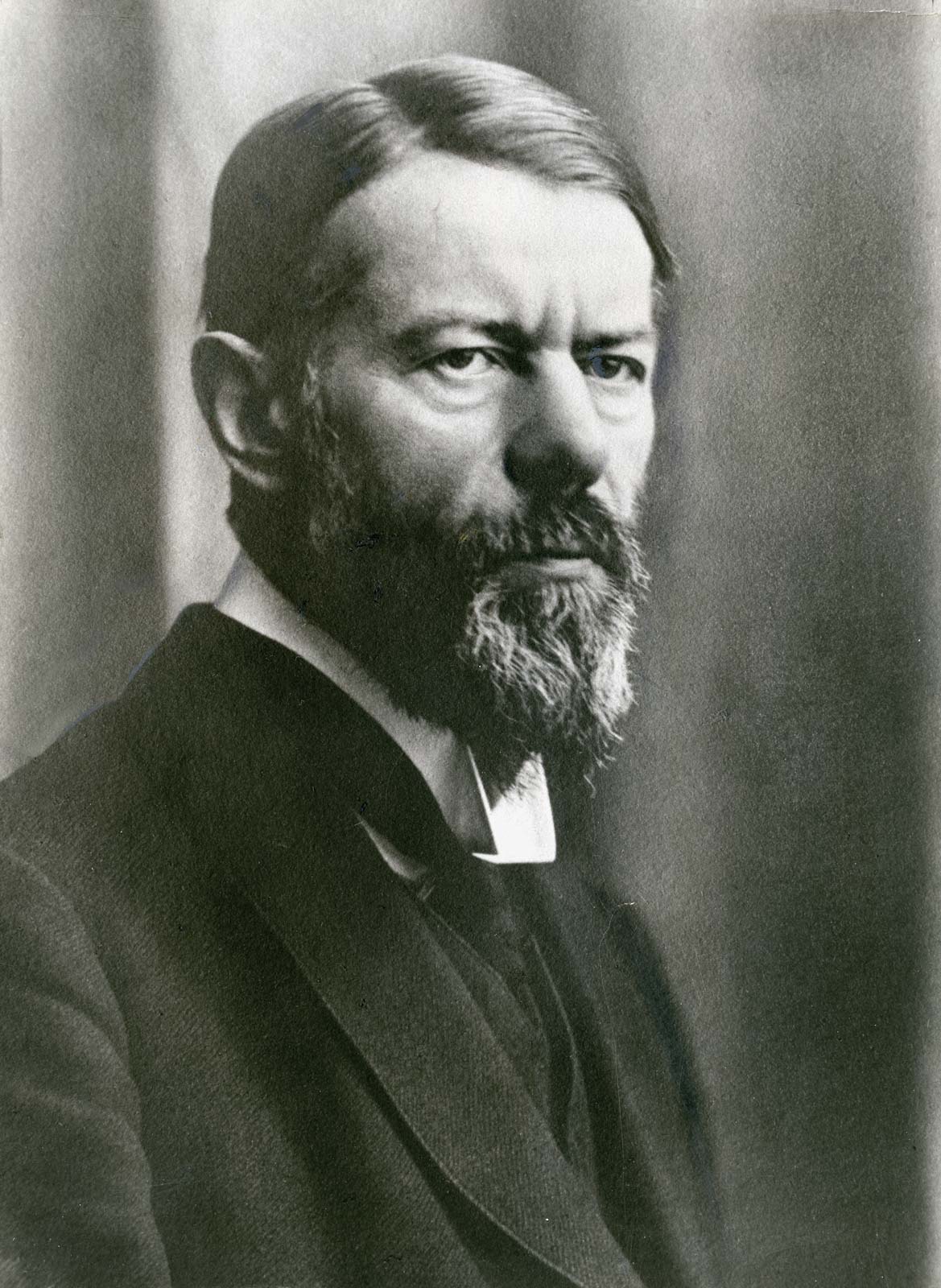
Back in November, 2020, Paul Reitter and Chad Wellmon, editors of Max Weber’s “vocation lectures” had a revealing exchange in the New York Review with Peter Gordon, a well-known historian at Harvard University.
Their exchange is multi-faceted, but on one level, it concerned the nature of democratic politics today. All three agree that Weber did not believe consensus over values is possible. Our values are our own and politics is therefore conflict or struggle.
A lot of people today, on both the left and the right, reflexively assume that Weber is right about this. And this is even true of people who purport to be religious believers—who really should know better.
From this perspective, political life is a form of war.
Reitter and Wellmon say that Weber “didn’t share the belief of his neo-Hegelian critics, both in his own day and ours, that reason or history will finally reveal which values are right or rational.”
Gordon agrees with them about Weber. But Gordon seems to have an objection that has nothing to do with Weber. He seems to object that this neo-Hegelian view is necessary to engage in democratic politics.
Gordon responds, “A fallibilistic and rationally derived consensus of the kind we aim for in our democratic deliberations does not require a ‘neo-Hegelian’ faith. It can emerge from little more than the ongoing practice of giving and taking reasons. It is only because we orient ourselves toward such a consensus, however fragile or rare, that we engage in deliberations at all.”
But I stand here with Lon Fuller in the famous Hart-Fuller Debate over the nature of law. Fuller asserts that the reason that some positions are stronger when we give reasons for them is that these positions are true, or at least truer, than other positions. Reason giving rests on precisely the neo-Hegelian—if that is the right nomenclature—foundation that Reitter and Wellmon describe. History or reason, actually both, reveal truth over time.
As I point out in my new book, The Universe Is on Our Side: Restoring Faith in American Public Life, the overwhelming example of the abandonment of chattel slavery is one bedrock demonstration of truth in history prevailing—the value of the dignity and equality of all people.
Our failure to always embody this truth, and never to embody it fully, in our practices is not a rejection or even really a contestation of this value. We are always on the way to a fuller understanding and application of it.
Peter Gordon does not seem to accept his obligation to defend truth robustly and not half-halfheartedly. We need more from our Peter Gordons if democracy is to survive in this troubled time.



0 Comments